Phone
+91 9810527653Address
B-104, Fourth Floor,
Northern parts of Indian state of Bihar has been a witness to floods every year for many centuries. Inclement climate change has intensified the situation further.
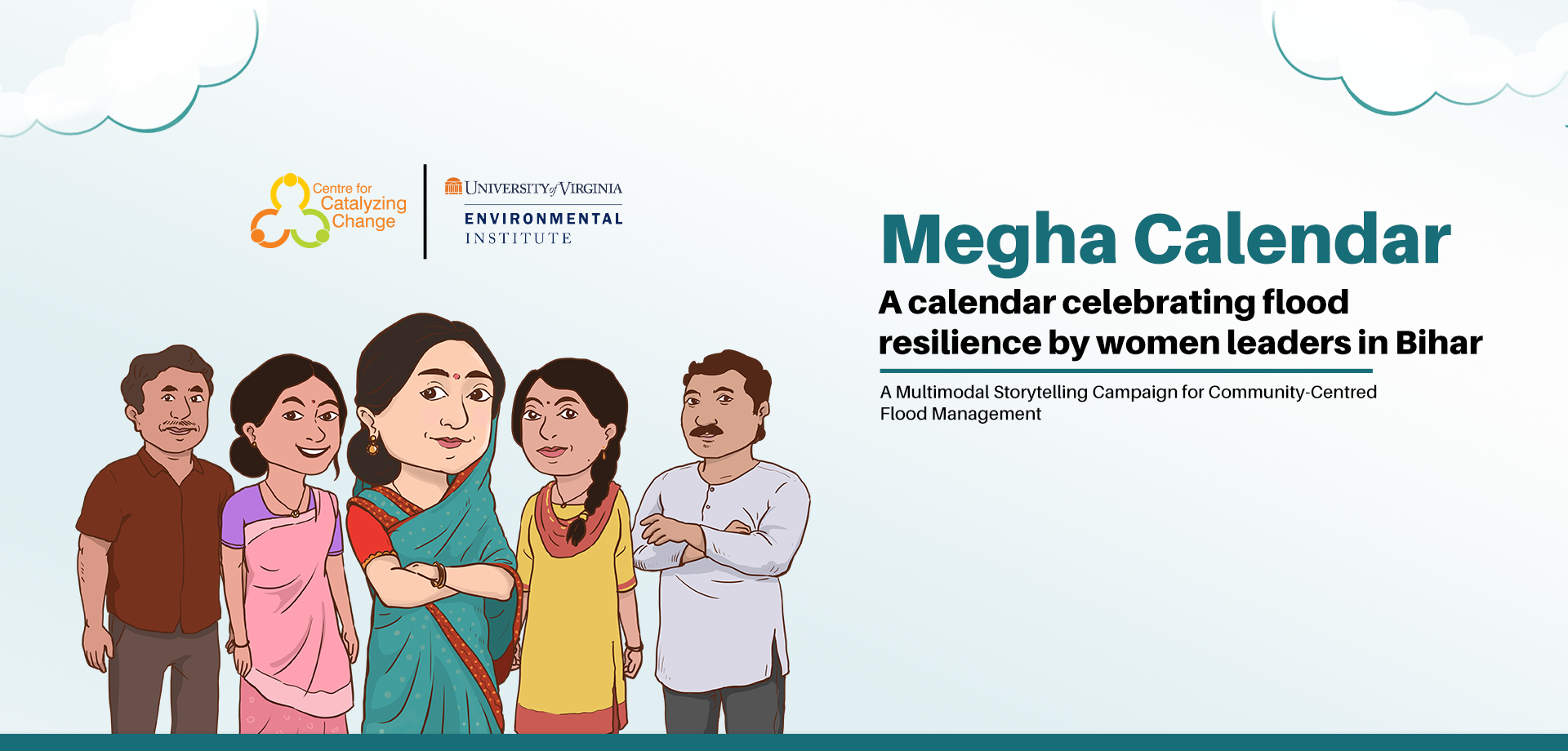
Project Megha is a communication and capacity-building initiative supported by University of Virginia and implemented by Centre of Catalyzing Change, designed to strengthen flood preparedness and climate resilience in these flood-prone regions of Bihar.
The project aims to counter floods by identifying and training a few bright women from every village, and taking their help during flood. These ‘Megha Didis’ have proved to be successful in both flood relief as in promoting women empowerment in some of the the most regressive societies of the world.
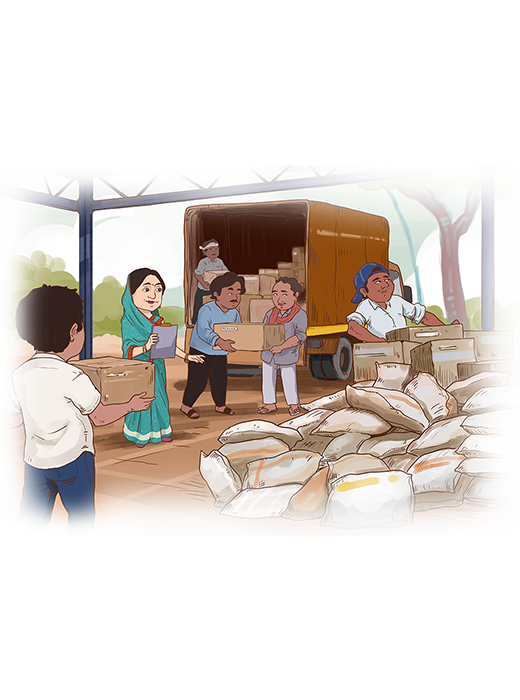
Tangio contributed in the project by creating a video based course on training the Megha Didis in Flood mitigation, rescue and storage and distribution of the relief material.
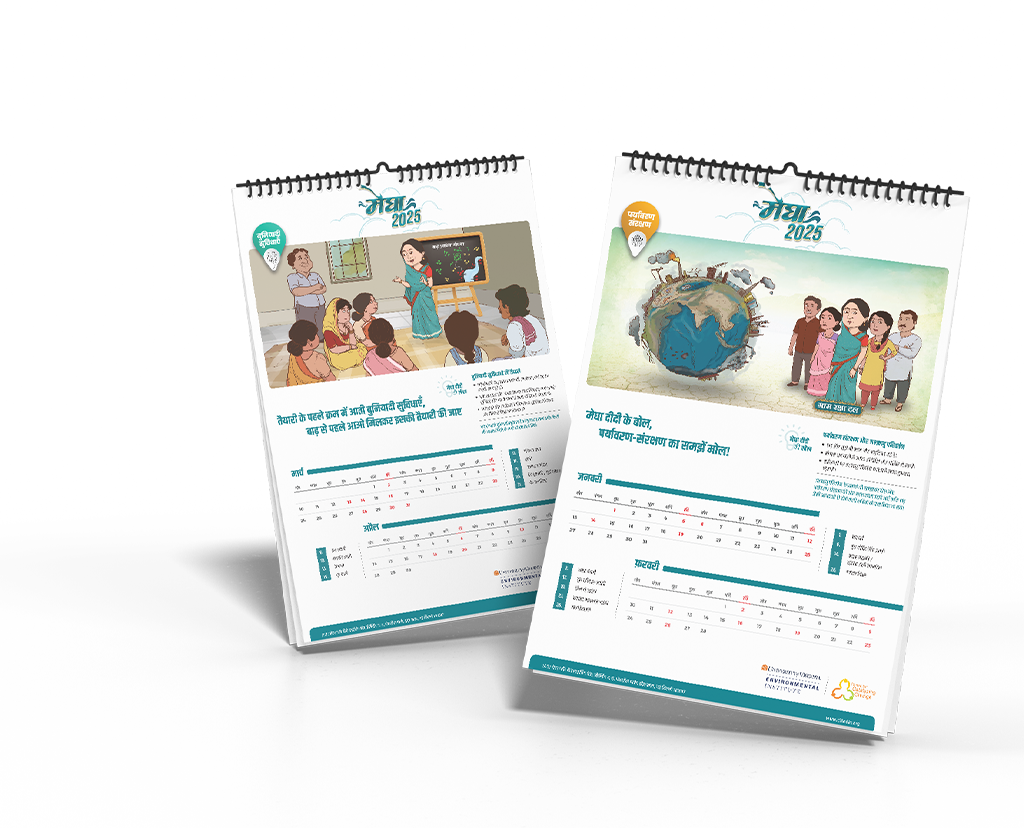
Later a calendar was also planned, based on the lessons in the video course.
To create a wall calendar that recall and reinforce the lessons of flood management for the Megha Didis in a relatable and actionable way.
To reinforce the messages in the lessons using:
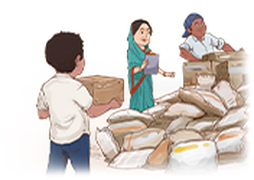
Easy-to-follow actions for before, during, and after floods.

Local language, culture, and flood scenarios familiar to communities.
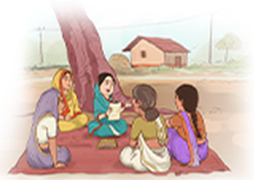
Encourages families and local leaders to prepare and respond together.
Monthly reminders that reinforce flood safety throughout the year.
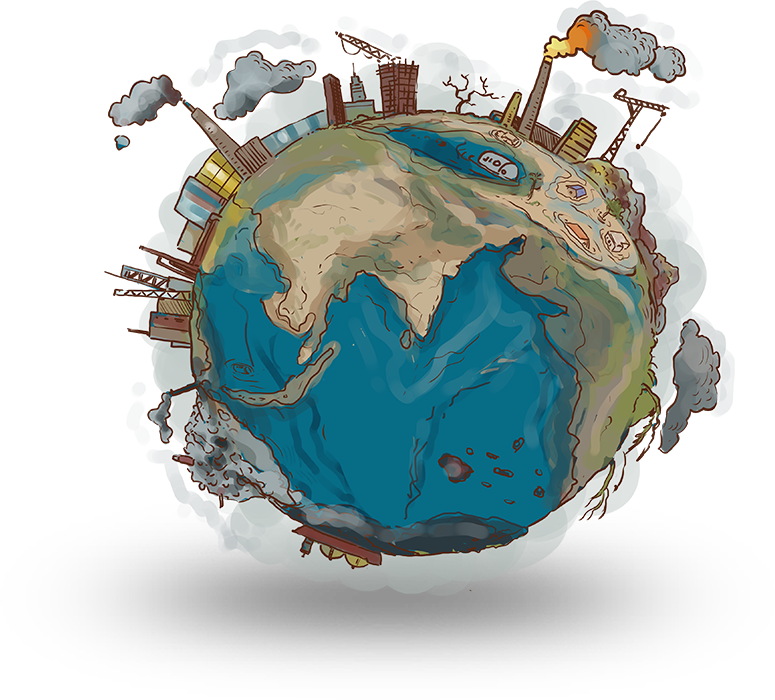
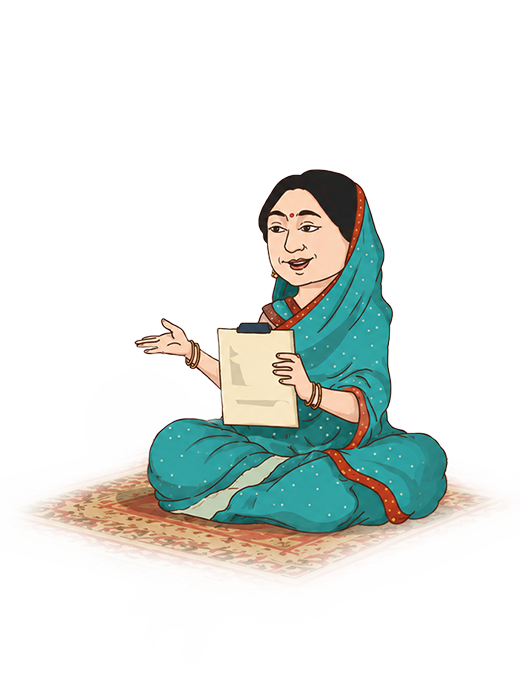
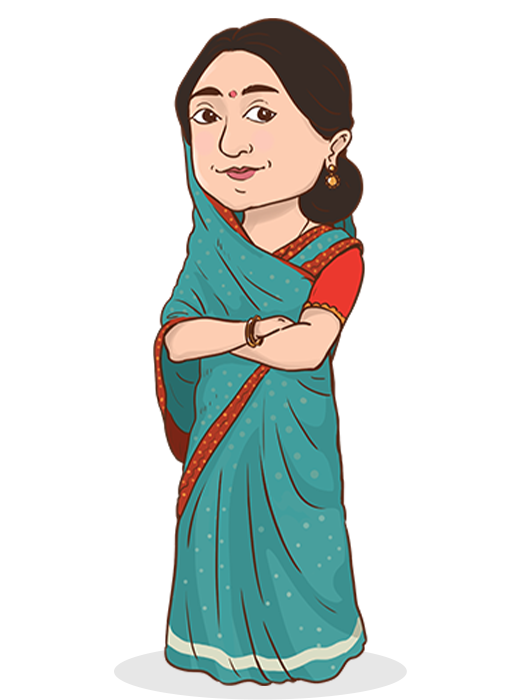
The campaign positions “Megha Didi” as a trusted local leader and guide. By placing elected women representatives at the heart of the communication, the project promotes inclusive leadership and strengthens community trust.
Rather than relying on instructional messaging alone, Project Megha uses storytelling, illustrations, and practical examples to encourage behavioural change.
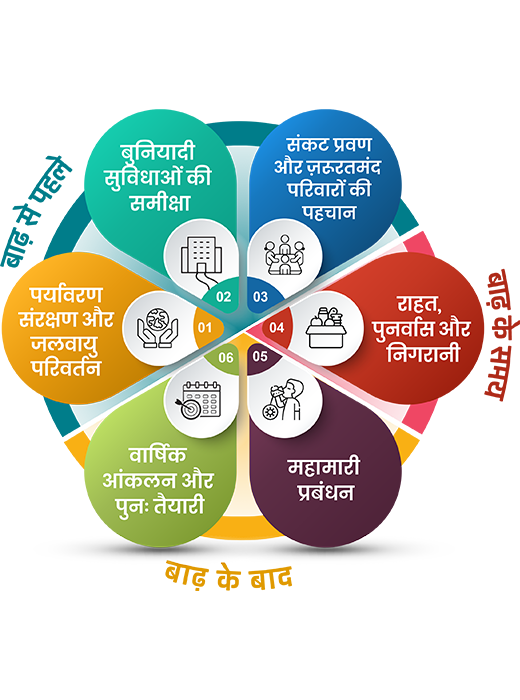
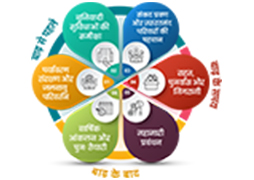
In the initial pages, the calendar introduced a circular indexing device listing the various activities to be done throughout the year.
The devices clearly divided the year in three parts that helped visualise the Megha Didi’s activities in three distinct periods- namely before the floods, during floods and after the floods.
Components from the device were also used in the inside pages for navigation.
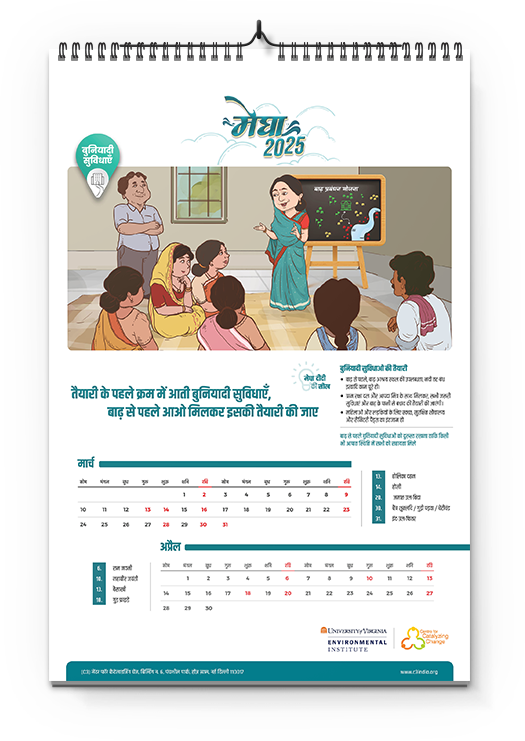
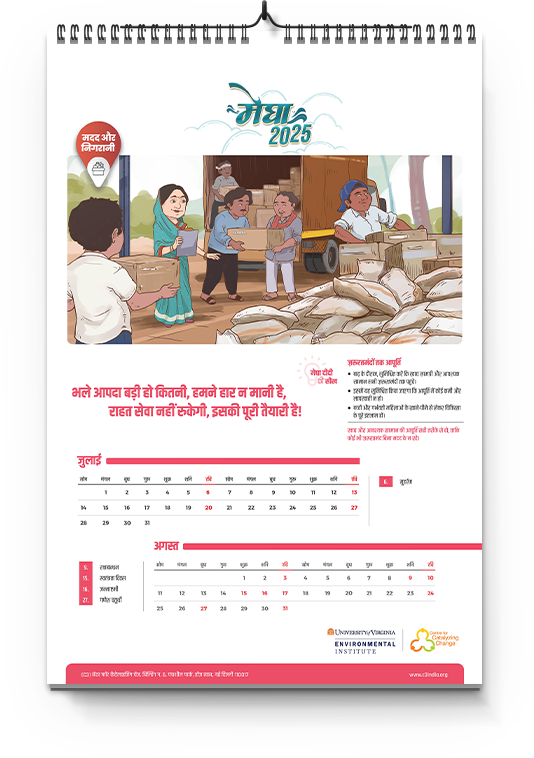
The Megha Calendar transforms flood preparedness information into a practical, year-long communication and learning tool for community leaders. Rather than serving only as a date reference, it reinforces essential flood management practices through every season. Each spread combines easy-to-understand guidance, culturally relatable illustrations, and motivational messages from “Megha Didi”, making complex preparedness information accessible, memorable, and actionable.
Recognizing that floods are an almost annual reality in North Bihar, the calendar was thoughtfully structured around the different phases of the flood cycle. Instead of presenting information all at once, the year is divided into six leaflets, with each leaflet representing two months. Every two-month section focuses on the specific actions, responsibilities, and preparedness measures most relevant during that period-from early planning and awareness – building to emergency response, relief coordination, and post-flood recovery. This phased approach ensures that Megha Didis receive timely reminders and practical guidance exactly when they need it, enabling them to lead their communities with confidence throughout the year.
To complement the messages contained in the calendar, relatable characters in, local contexts, were developed to depict specific actionable scenes bringing the campaign's messages to life.
The visual language of the campaign was intentionally crafted to be:



The illustrations highlight real-life situations and community participation, making the content relatable and memorable.
Critical flood-management information became easier to understand and remember.
The campaign reinforced the role of elected women representatives as community decision-makers and first responders.
Actionable guidance encouraged proactive planning before flood season.
Special attention was given to the needs of women, pregnant mothers, children, elderly citizens, and persons with disabilities.